Rails, Crafts, and Coastlines

Join us as we chart artisan workshop itineraries traveling by rail from Alpine villages to Adriatic ports, meeting woodcarvers in shadowy chalets, glassblowers near lagoon breezes, and textile masters between mountain passes and sunlit quays, with practical tips, stories, and soulful detours.

Planning the Cross-Range-to-Coast Journey

Design a rail-to-workshop route that respects mountain weather, village opening hours, and the quiet rhythms of makers at work, weaving panoramic trains, regional connectors, and strollable neighborhoods into days that feel purposeful, flexible, and full of serendipitous discovery.

Mapping Trains to Makers

Begin with rail timetables, then layer studio addresses, weekly closing days, and lunch breaks, so every transfer leads naturally to a doorbell, a handshake, and a bench dusted with shavings. Share your planned route with artisans; many happily suggest quieter, richer detours.

Seasonal Timing and Festival Calendars

Winter lulls bring longer conversations, while spring melt swells valley fairs and loom rooms burst with dyed skeins. Track saints’ days, harvest weekends, and maritime regattas, aligning travel so workshops welcome you between rehearsals, demonstrations, and post-show tea shared beside cooling kilns.

Balancing Slow Travel with Deep Learning

Reserve buffer mornings to revisit a technique, sketch patterns at a café, or simply feel trains breathing under foothills. Depth grows when schedules include pauses, allowing memory, hands, and pocket notebook to keep pace with chisels, looms, and the coastline’s luminous patience.

Alpine Beginnings: Wood, Wool, and Warmth

Start high among spruce shadows, where whistles echo across glaciers and smoke curls from chimneys into blue air. Workshops pulse with knives, carders, and spinning wheels, and train windows frame valleys that teach humility, patience, and the steady courage craftspeople quietly practice every day.

Inside a Family Woodcarving Studio

A grandfather draws tool marks like a melody while a granddaughter sands wings on a tiny wooden hawk. The stove ticks, cedar smells bloom, and visitors learn how patience, grain direction, and light from the window decide a figurine’s expression more than any sketch.

From Sheep to Shuttle: Village Looms

Follow fleeces from hillside pastures to dye pots simmering with larch bark and indigo, then listen as heddles clap like modest applause. On narrow streets, patterns hold weddings, storms, and legends; a weaver’s laugh can translate across languages better than phrasebooks or phone apps.

Apprenticeship Conversations on a Snow-bright Morning

The trainee points to a miscut groove and smiles, explaining how errors become ornaments when guided carefully. Step outside, hear frost crunch, then return to the bench resolved to practice. Trains wait, patient as mountains, forgiving curious travelers who linger one lesson longer.

Local Lines that Unlock Hidden Stops

Regional trains pause at platforms tourists rarely mark, where a bellmaker answers questions between pours and a cooper shows oak staves relaxing in steam. Stay nimble with day passes, hopping off when a flicker of sawdust or yarn beckons inquisitive hearts.

Stations as Gateways to Craft Districts
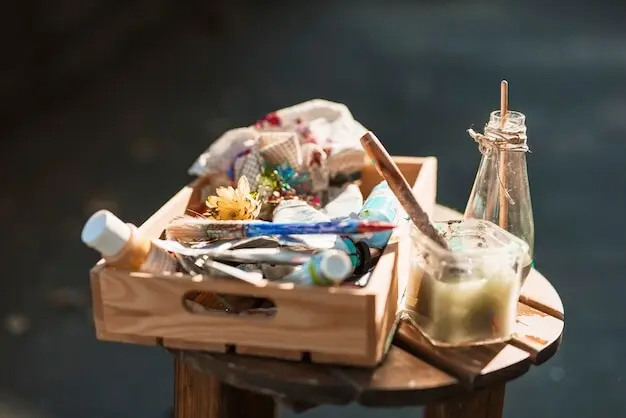
Notice tiled murals, wrought-iron clocks, and posters advertising weekend markets. Many stations spill directly into quarters where shoemakers cut patterns near cafés and printmakers hang fresh sheets to dry. Ask attendants for walking maps; gatekeepers of transit often unlock workshops too.

Adriatic Arrivals: Salt Air, Glass, and Boat Yards

Down by the harbors, ropes creak, gulls argue, and furnaces glow like moons behind brick. Makers fold sea light into glass, glaze, and varnish, inviting travelers to learn breath control, surface finishing, and respectful observation as waves redo the shoreline’s ancient patterns.

Hands-on Experiences: Classes, Etiquette, and Safety

Participate thoughtfully, leaving shoes at thresholds when asked and switching phones to airplane mode so attention breathes. Confirm tool insurance, language preferences, and accessibility. When unsure, ask. Courtesy protects creativity, and good questions open doors sturdier than any reservation confirmation ever could.

Sustainable Souvenirs and Ethical Support

Choosing Objects with Provenance

Ask for signatures, stamps, or certificates, but listen even closer to stories that accompany each piece. Materials sourced responsibly, techniques taught openly, and repairs offered cheerfully predict longevity. Your purchase becomes a collaboration, not an extraction, sustaining skills that trains helped you reach.

Packaging, Shipping, and Carbon Considerations

Discuss recyclable padding, consolidated shipments, and rail-forward delivery where available. Offset thoughtfully, but prioritize reductions through slower itineraries and durable choices. Photograph items pre-shipment, track carefully, and celebrate arrivals by crediting makers publicly, turning logistics into another craft shaped by transparency, patience, and shared responsibility.

Giving Back to the Communities You Visit

Support scholarship funds, lend skills in brief volunteer stints, or sponsor tool purchases for youth programs. Share field notes with local museums, propose exchanges between schools, and invite artisans to guest-teach online, extending bridges your rail journey began, one caring message at a time.
Kavidexofarimori
Privacy Overview

This website uses cookies so that we can provide you with the best user experience possible. Cookie information is stored in your browser and performs functions such as recognising you when you return to our website and helping our team to understand which sections of the website you find most interesting and useful.