Color Carried by Wind and Waves

Join an adventurous exploration of Natural Dye Journeys: Mountain Herbs and Coastal Plants for Textile Craft, where alpine sunlight and ocean breezes shape pigments in unforgettable ways. We will walk ridgelines for hardy herbs, comb gentle shorelines for resilient plants, and transform gathered wisdom into living color that bonds cloth, place, and memory. Bring curiosity, safe practices, and a sketchbook; every pot becomes a map, and every swatch records another step along an ever-widening path.

From Summits to Shores: How Color Lives in Plants

Understanding why certain mountain herbs and coastal plants share, hide, or shift their colors unlocks consistency and delight. Altitude, UV exposure, wind stress, and salty spray all influence tannins, flavonoids, and other dye-active compounds. By learning how carotenoids, anthraquinones, and complex phenolics behave across seasons, you can guide mordants and modifiers more intentionally, simplifying recipes, reducing waste, and revealing glowing, stable shades that truly carry the character of their rugged homes.

Gathering with Care: Foraging, Farming, and Permissions

Ethical color begins long before a simmering pot. Learn to identify protected species, ask landowner permissions, and practice conservative harvest ratios that favor plant vigor, insects, and birds. Swap uprooting for selective pinching; prefer windfall materials when possible. If wild edges feel fragile, cultivate balcony or community plots with hardy alpine and salt-tolerant dye plants. Transparent sourcing, local reciprocity, and thoughtful gratitude rituals turn every extraction into stewardship rather than extraction alone.

Respectful Harvest Routines

Adopt a one-in-three approach: take a little, leave plenty, and return consistently to monitor regrowth. Snip flowers or leaves without damaging crowns, and avoid collecting after storms, when plants already struggle. Carry breathable bags, a hand lens, and a regional guide. If doubt persists, skip the harvest and sketch instead. Map recurring stands, watch pollinators, and notice soil crusts. Ethical routines build resilient dye sources and deepen your relationship with living color.

Growing a Balcony Dye Garden

Small spaces can overflow with possibility. Choose containers for weld, coreopsis, yarrow, and salt-tolerant herbs like rosemary and sea thrift for coastal character. Use well-drained, lean potting mixes, moderate watering, and steady sunlight. Stagger sowing for rolling harvests, and refresh soil with compost tea, not synthetic fertilizers that may alter pigment balance. Companion plant for habitat, and save seeds labeled by date. Your railing becomes a laboratory, archive, and seasonal storybook.

Preparing Fibers for Honest Color

Color sings clearly only on clean, receptive fibers. Scouring removes oils and residues that block dye uptake. Protein fibers like wool and silk love gentle heat and precise acidity; cellulose fibers need thorough scouring and sometimes extended pre-mordants. Water quality matters: hardness, iron traces, and pH can shift shades dramatically. With safe, measured mordants and thoughtful modifiers, mountain and coastal botanicals achieve luminous, repeatable results that respect skin, waterways, and treasured textiles.

Scouring Without Compromise

Begin with patience. Wash new cottons to remove sizing, and scour with a mild, dye-friendly detergent. For wool, keep temperatures steady to avoid felting while still releasing lanolin. Rinse completely until water runs clear. Test absorbency by sprinkling droplets; if they spread, you are ready. Clean fibers reduce patchiness, capture delicate yellows, and reveal subtle undertones from alpine herbs and shoreline plants that otherwise remain stubbornly hidden behind oily films.

Mordants, Modifiers, and Safety

Measure carefully, label containers, and separate kitchen from dye gear. Alum at 10–15% WOF offers reliable brilliance on protein fibers; tannin-and-alum systems help cellulose accept color gracefully. Iron at 1–2% WOF shifts hues deeper but can harden hand, so finish with a gentle rinse. Avoid copper and chrome in home studios. Wear gloves, respect ventilation, neutralize waste thoughtfully, and document every step. Safe habits protect bodies, colors, and futures.

Water and pH as Hidden Dyestuffs

Treat water as part of the palette. Soft water often brightens yellows and greens, while mineral-rich sources can mute or warm results. A tiny splash of vinegar may coax clarity; a pinch of washing soda nudges olive notes. Always test small samples first, noting fiber type, temperature, and timing. Over time, these micro-adjustments transform inconsistent pots into dependable recipes while preserving the nuanced voices of mountainsides and tidal marshes.

Golden High Paths: Weld, Yarrow, and Broom
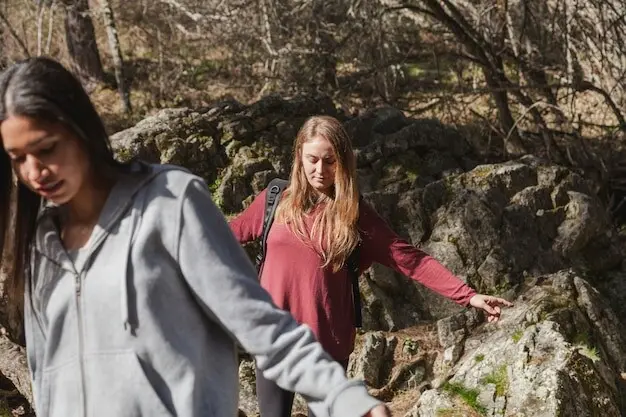
Scour wool thoroughly, mordant with alum at 12% WOF, then soak overnight. Simmer weld stems and yarrow flowers at 60–70°C for one hour, cool, and strain. Enter fiber below 70°C to preserve brightness. Hold at 65°C for another hour, cool slowly, and rest overnight. Rinse gently. Expect sunlit golds with delicate green whispers. For deeper amber, add a brief iron afterbath at 1% WOF, stirring minimally to avoid harshening.

Shoreline Greens and Browns: Sea Buckthorn, Rockweed, Saltbush
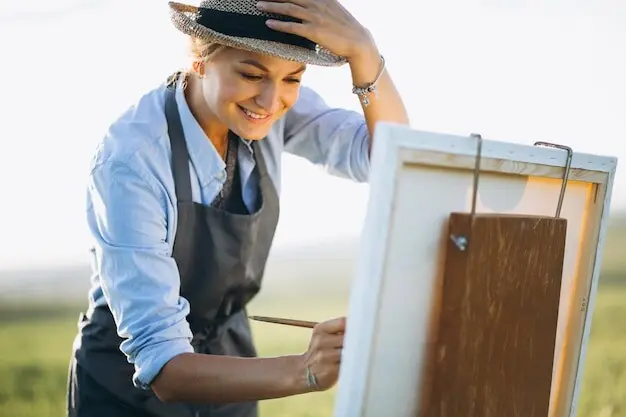
Prepare linen with tannin, then alum. Extract rockweed and saltbush at a modest simmer to prevent slimy textures; strain thoroughly. Add pre-mordanted linen and maintain at 70°C for ninety minutes. Finish with a five-minute iron dip to nudge olive-browns. Overdye with a light sea buckthorn leaf bath for gentle, dune-grass greens. Rinse, then dry in shade. The result evokes tidal pools, driftwood, and the calm hush of foggy mornings.

Iron Shifts and Sunset Overdyes

Keep a small jar of iron modifier ready for quiet transformations. A quick, diluted dip deepens alpine yellows into antique golds and turns coastal tans toward storm-soft grays. Overdye previously dyed cloth with a faint yarrow bath to brighten highlights without overpowering lows. Record ratios, temperatures, and timing strictly. These subtle moves create layered skies across fabric, like mountain dusk meeting ocean twilight in a handwoven horizon you can wear.

Stories Stitched to the Land

Color gathers meaning when braided with memory. One spring, a weaver carried a pocket scale up a wind-whipped trail, weighing yarrow blooms between gusts, then descended at dusk to steep a shoreline rockweed bath. The shawl that followed held alpine sunlight along its edges and briny whispers through its weft. Craft becomes cartography, weaving landmarks, friendships, and careful promises into cloth that warms shoulders and sparks kitchen-table conversations years later.

A Day Above the Tree Line

At sunrise, frost crackled underfoot while marmots watched the measuring spoons. The herbs looked small, but the notebook kept us steady: elevation noted, aspect sketched, bloom stage recorded. Back home, the first bath ran pale until patience prevailed. We lowered heat, waited, and a surprising saffron glow emerged. That scarf still smells faintly of sunblock, pine, and wet wool—proof that careful attention can turn thin mountain air into warmth.

Low Tide Lessons with Neighbors

The best coastal dyes often begin with borrowed boots and shared thermoses. We learned names in two languages, checked local guidelines, and picked only what the gulls ignored. Later, around enamel pots, stories traded hands faster than recipes. Someone’s grandmother salted sea greens for soup; another mapped eelgrass beds by winter stars. The cloth, speckled with olive and tea, felt like a handshake extended across generations, shorelines, and seasons.

Keep the Journey Going: Community, Care, and Sharing

Sustaining brilliant color means nourishing fabrics, places, and relationships. Wash with pH-neutral soap, avoid harsh sunlight, and store swatches with labeled notes. Host neighborhood dye days, plant hardy herbs along shared fences, and invite coastal caretakers to teach respectful harvesting. Share failures, celebrate small victories, and subscribe for new recipes shaped by mountains and tides. Your questions, photos, and corrections keep this living archive honest, generous, and wonderfully alive.

Care That Honors the Landscape

Handwash in cool water using a mild, fragrance-free soap. Avoid prolonged sun-drying that can strip delicate yellows and olives; shade is your ally. Press moisture out with towels, then lay flat. Store away from scented cedar that may alter pH. When repairs arise, mend visibly, stitching a tiny memory of the plant source into the seam. Each gentle ritual extends colorfastness and continues the quiet conversation with hills and harbors.

Build Exchanges and Seed Swaps

Community strengthens palettes far beyond individual harvests. Organize seasonal exchanges of seeds, dried material, and labeled swatches with precise notes. Pair upland foragers with shoreline walkers, comparing extractions under shared conditions. Create a local map of accessible, resilient plants and include cultural guidance from longtime caretakers. When harvests fail, groups cushion disappointment; when abundance arrives, nobody wastes treasure. Mutual learning keeps craft ethical, evolving, and refreshingly intertidal in spirit.
Kavidexofarimori
Privacy Overview

This website uses cookies so that we can provide you with the best user experience possible. Cookie information is stored in your browser and performs functions such as recognising you when you return to our website and helping our team to understand which sections of the website you find most interesting and useful.